For forty five minutes, Dallas's first World Cup match was a rumor. Then the second half arrived and the biggest room in Texas lost its mind four separate times. Netherlands 2, Japan 2, settled by a deflection in the 89th minute, in front of 69,285 people who will be telling this story for the rest of their lives.
The Dutch led twice. Japan answered twice. Daichi Kamada's late equaliser, bundled in off Koki Ogawa's header, arrived so deep into the match that half the stadium had already started composing its exit strategy. Nobody left. Here is how the whole thing actually unfolded, and what North Texas learned about hosting the world.
TL;DR
- Final score: Netherlands 2-2 Japan, Group F, Match 11
- Date: Sunday, June 14, 2026, 3:00 PM CT
- Goals: Van Dijk and Summerville for the Dutch; Nakamura and Kamada (89') for Japan
- Venue: Dallas Stadium (AT&T Stadium), Arlington, TX
- Attendance: 69,285
- Referee: Ismail Elfath (United States)
- Group F finished: Netherlands 7 pts, Japan 5, Sweden 4, Tunisia 0
How the Match Was Won, Lost, and Rescued
The opening half deserves no monument. Two careful teams felt each other out, the Dutch kept the ball, Japan kept their shape, and the loudest noise in the building came from 70,000 people discovering how good the acoustics are under a closed roof.
Then Ronald Koeman's side came out after the interval and remembered they were favorites. Virgil van Dijk met a Ryan Gravenberch cross with the sort of header that makes defending set pieces feel unfair, and the Netherlands led. In Dallas, the orange half of the stadium sounded like a jet engine with a grudge.
Japan needed seven minutes to answer. Keito Nakamura struck from distance, the ball clipped Jan Paul van Hecke's boot on the way through, and Bart Verbruggen was left wrong footed by physics. One apiece, and the tone of the afternoon changed completely.
Crysencio Summerville looked to have finished it in the 64th. He took a touch, opened his body, and curled a left footed shot into the far corner with the kind of contact that sounds different from every other shot in a match. Two one. Dutch fans started singing like the group was already sorted.
The Goal That Defined Dallas's Tournament
In the 89th minute, substitute Koki Ogawa rose for a header and Daichi Kamada got the final touch on its way in. It was not clean, it was not curated, and it did not care. Japan had chased the match for forty minutes and took a point out of it with sixty seconds to spare. If you want one snapshot of why this match was worth building a summer around, that is it.
Group F: How It Finished
The draw in Dallas turned out to be the only blemish on the Dutch record, and the platform for Japan's entire group stage. Both went through. Tunisia, who ran into a Sweden side in an unusually generous mood on the same opening day, did not.
| Team | P | W | D | L | GF | GA | Pts |
|---|---|---|---|---|---|---|---|
| Netherlands | 3 | 2 | 1 | 0 | 10 | 4 | 7 |
| Japan | 3 | 1 | 2 | 0 | 7 | 3 | 5 |
| Sweden | 3 | 1 | 1 | 1 | 7 | 7 | 4 |
| Tunisia | 3 | 0 | 0 | 3 | 2 | 12 | 0 |
The six results, in order: Netherlands 2-2 Japan and Sweden 5-1 Tunisia on June 14, Netherlands 5-1 Sweden and Tunisia 0-4 Japan on June 20, then Japan 1-1 Sweden and Tunisia 1-3 Netherlands to close it out. Japan went through the entire group stage unbeaten and conceded three goals, two of them in Arlington.
Head-to-Head History, Updated
Before June 14, the Netherlands had never lost to Japan and had only been held once. That record survived, barely, and now reads a lot less comfortably.
| Date | Competition | Result | Venue |
|---|---|---|---|
| June 19, 2010 | FIFA World Cup | Netherlands 1-0 Japan | Durban, South Africa |
| Nov 16, 2013 | Friendly | Netherlands 2-2 Japan | Genk, Belgium |
| Nov 19, 2013 | Friendly | Japan 0-3 Netherlands | Brussels, Belgium |
| June 14, 2026 | FIFA World Cup | Netherlands 2-2 Japan | Dallas Stadium, Arlington |
Inside the Stadium: What 69,285 People Actually Found
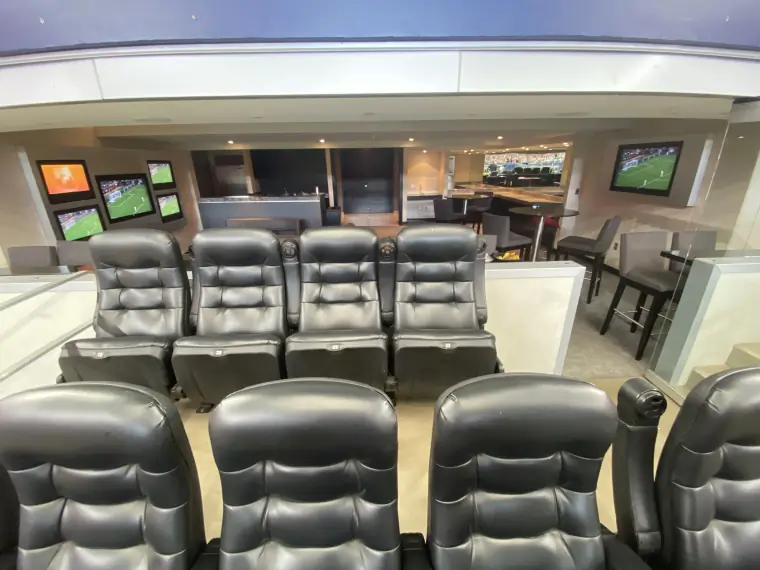
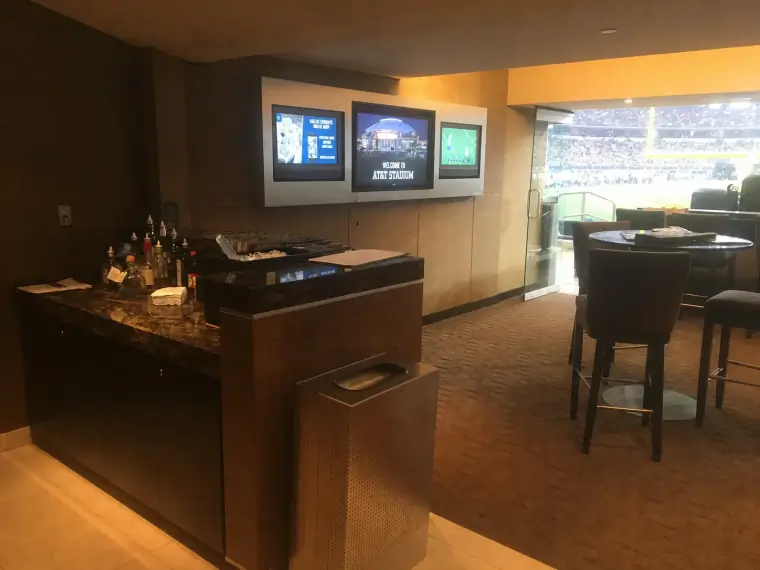
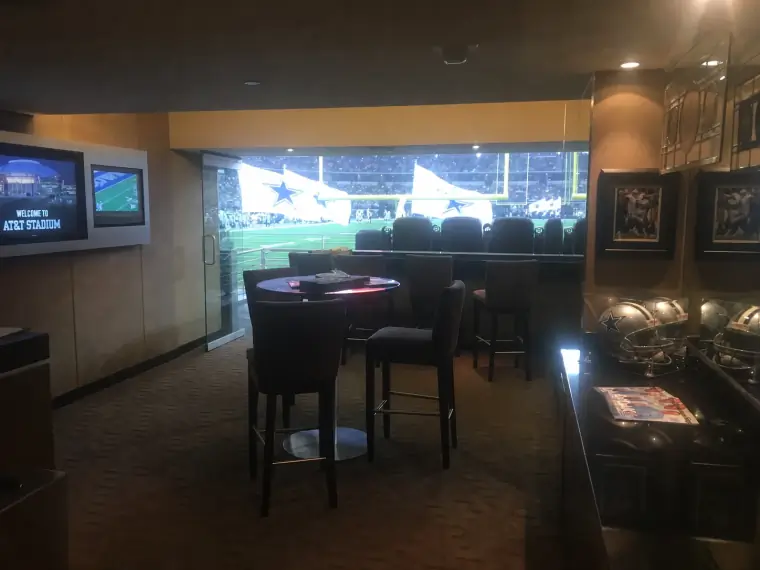
The building people walked into on June 14 was not the one they know from Cowboys Sundays, and the numbers tell you why.
Crews had raised the entire playing surface by nearly four feet, cutting into the lower bowl and pulling suites out of service to fit a full size FIFA pitch. The artificial turf was gone, replaced by natural grass grown in Colorado and trucked in under refrigeration, kept alive indoors by LED grow lights hanging from the ceiling.
Why the Capacity Number Changed
AT&T Stadium seats 92,967 for football. For the World Cup it seated 70,122. The raised pitch consumed the front rows of the lower bowl, which is why the announced attendance of 69,285 was, in practice, a full house. Anyone who quoted you a 90,000 crowd for this match was working from the NFL configuration.
The tradeoff was worth it. A closed roof over 69,285 people produces a wall of sound that an open bowl simply cannot, and the traveling Dutch fans and the Japanese contingent spent the second half taking turns proving it. The Japanese fans also, as ever, stayed behind and cleaned their section. Some traditions travel well.
Definition: FIFA Clean Venue Policy
FIFA requires host stadiums to strip existing commercial branding for the tournament, because FIFA's own sponsors hold exclusive rights. That is why every scoreboard, ticket and broadcast said Dallas Stadium and not AT&T Stadium. The building went back to its usual name in July.
Getting to Arlington: What Actually Worked
Arlington is the largest city in America without public rail service, and June 14 was the day North Texas found out what that means when the whole planet is watching. The short version: the plan held, and the people who planned ahead had a dramatically better day than the people who improvised.
The Transit and Shuttle Route
The Trinity Railway Express from downtown Dallas or downtown Fort Worth to CentrePort Station, then a charter shuttle to a hub roughly half a mile from the stadium, worked as designed. It also took about 90 minutes each way, and the return leg after a 2-2 thriller was not a quiet ride. If you took it, you know exactly which part of that sentence is doing the heavy lifting.
Driving and Parking
Roughly 16,600 spectator spaces were available via Interstate 30 and Texas 360, with rideshare staged at the Esports Stadium Arlington lot about a mile out. I-30 congestion started earlier and lasted longer than a normal Cowboys game day, which surprised precisely nobody who has driven that corridor in June.
The Lesson North Texas Keeps Relearning
Every group that booked a driver in advance walked from a curb to a gate. Everyone else negotiated with a shuttle line or a surge price. Arlington did not become easier to reach in July, and it will not be easier in October when the Cowboys are home and 90,000 people want the same eight exits at the same time.
Pro Tip: The Arlington Math Has Not Changed
A luxury Sprinter van puts your whole group in one vehicle with a driver who knows which Arlington access roads are actually moving. For a bigger night out, the executive Sprinter limousine turns the drive into part of the event; for a smaller crew, a luxury SUV does the job. Whatever the size, a group transportation package is the difference between arriving for kickoff and arriving for the second half.
The Fan Festival, and the Rest of Dallas's Summer
The FIFA Fan Festival at Fair Park ran from June 11 through July 19, one million square feet of giant screens, live music, food vendors and up to 35,000 people at a time on the covered seating and the grass hillside. The DART Green Line dropped people at Fair Park Station all summer, which quietly made it the easiest World Cup venue in the metroplex to reach.
Netherlands vs Japan was the first of nine matches Dallas Stadium hosted, the most of any venue in the tournament. The run finished on July 14, when Spain beat France 2-0 in the semifinal, Mikel Oyarzabal and Pedro Porro scoring on Bastille Day in Arlington, which the French will be enjoying for years.
Spain went on to win the whole thing, beating Argentina 1-0 after extra time at MetLife Stadium on July 19 through a Ferran Torres goal in the 106th minute. Their second world title, sixteen years after their first. Dallas hosted the team that lifted it, twice.
Key Takeaways
- Netherlands 2-2 Japan on June 14 opened Dallas's World Cup with a dead first half and a four goal second half, decided by Kamada's 89th-minute equaliser.
- Both teams advanced. The Netherlands topped Group F with 7 points, Japan finished second on 5 and went through the group unbeaten.
- The crowd was 69,285, effectively a sellout of the 70,122 World Cup configuration. The raised natural grass pitch cost the stadium its lower bowl front rows and about 23,000 seats.
- Arlington's access problem is permanent. Rail does not reach the stadium, the TRE plus shuttle route ran about 90 minutes each way, and I-30 backed up early. Private group transportation remains the only door to door option.
- Dallas hosted nine matches, ending with Spain 2-0 France in the July 14 semifinal. Spain won the tournament five days later.
Frequently Asked Questions
What was the final score of Netherlands vs Japan?
Netherlands 2, Japan 2. Virgil van Dijk headed the Dutch in front early in the second half from a Ryan Gravenberch cross, Keito Nakamura equalised in the 57th with a deflected strike, Crysencio Summerville curled in a second for the Netherlands in the 64th, and Daichi Kamada leveled it in the 89th off a Koki Ogawa header.
How many people attended the match at Dallas Stadium?
69,285, against a World Cup configured capacity of 70,122. That is far below the 92,967 the stadium holds for NFL games, because the pitch was raised nearly four feet to fit FIFA dimensions, which removed the lower bowl's front rows and several suites.
Did both Netherlands and Japan get out of the group?
Yes. The Netherlands won Group F with 7 points after beating Sweden 5-1 and Tunisia 3-1. Japan finished second with 5 points, drawing 2-2 with the Dutch and 1-1 with Sweden and beating Tunisia 4-0, unbeaten across all three matches.
What else did Dallas host during the World Cup?
Dallas Stadium hosted nine matches, the most of any venue: five group stage matches, two Round of 32 matches, one Round of 16, and the July 14 semifinal, in which Spain beat France 2-0. The free FIFA Fan Festival ran at Fair Park from June 11 through July 19.
Who won the 2026 World Cup?
Spain, beating Argentina 1-0 after extra time at MetLife Stadium on July 19. Ferran Torres scored in the 106th minute. It was Spain's second World Cup title, after 2010.
What is the best way to get to AT&T Stadium for a big event?
Arlington has no passenger rail to the stadium. Public options mean the Trinity Railway Express to CentrePort Station plus a shuttle, around 90 minutes each way, or driving into roughly 16,600 spectator parking spaces off I-30 and Texas 360. For groups, private Sprinter transportation is the only genuinely door to door answer, and it is the one that does not surge price at the final whistle.
The World Cup Left. Arlington Did Not.
For one Sunday in June, 69,285 people found out what a World Cup does to a football stadium in Texas, and the answer was that it fills it with a noise the building had never made before. That is done now. The grass is gone, the branding is back, and the roof closes for a different sport.
The traffic, though, is exactly where we left it. Cowboys season starts in September and brings its own 90,000 people to the same interchange, and the group that books a driver still walks from a curb to a gate while everyone else studies a parking map. Arrange your transportation, and let somebody else handle Arlington.